

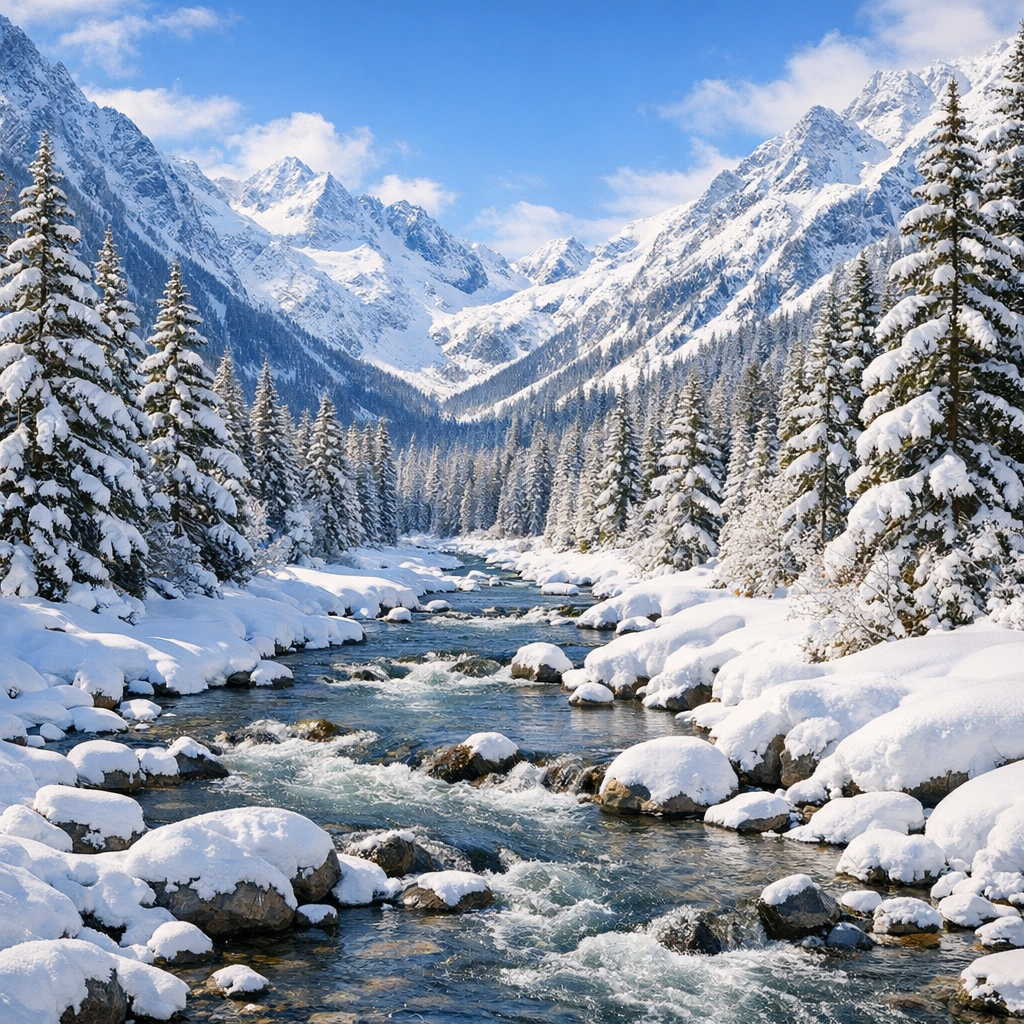
Here in Eagle, Colorado, our climate is defined by high elevation, semi-arid air, and the dance of seasons. Knowing what to expect—from the chill of winter to the warmth of summer—matters for everything from snowmelt to planting your garden. This guide walks you through the environmental rhythms that shape life here and what they mean long-term.
Climate & Seasonal Patterns
Eagle has a cold, semi-arid climate (Köppen BSk), swinging between very cold winters and warm summers. Average high temperatures reach about 81°F in summer, while winter lows can drop well below 10°F. We get approximately 13 inches of precipitation annually, most of which comes in spring and midsummer. Our climate is also marked by frequent frost—on over 180 days each year—and a growing season that typically runs from late May through late September.
Spring & Snowpack Dynamics
Snowpack is critical for Eagle’s water supply. Normally we meet or come close to our 30-year median peak snow water equivalent (SWE), but warm springs can prompt rapid melt, reducing water availability in lower elevation streams and putting stress on rivers and ecosystems. Recent reports show snowpack finishing near median, yet unseasonably warm temperatures in April raise concern over early runoff and drought risks.
Environmental Challenges & Safeguards
Eagle’s environment faces ongoing pressures. One: water quality—legacy mining sites like Eagle Mine in Minturn have been linked to pollution in the Eagle River and nearby waters due to heavy metals and acid mine drainage. Cleanup efforts have made strides, but monitoring is essential.
Two: air quality and haze. Even in this remote mountain region, particulate matter—often from wildfire smoke, increased dust during dry spells, or warming air trapping pollutants—can decrease visibility and affect respiratory health. Our community values crystal-clear air, and protecting it demands vigilance during dry and windy periods.
What You Can Do Locally
- Watch snowpack reports. Winter and spring weather determine water supply through snowmelt. Know the trends.
- Time your planting. Because frost is common well into May, delaying sensitive plants until after the average last frost date (late May) increases success.
- Stay informed about air quality. On dry, hot, or smoky days, reduce exposure—especially for kids, older adults, and those with breathing issues.
- Support clean-water efforts. Be aware of runoff risks, erosion controls, and remediation programs at old mine sites.
The beauty of Eagle lies in its rugged peaks, flowing rivers, and diverse life. Understanding our climate’s pulse—when snow falls and melts, when air is clear or hazy—helps us protect that beauty, sustain our landscapes, and live well in this special place.