

By Emily Johnson – Eagle, Colorado
From the plains of Sudan to urban centers in Lebanon, the world is being shaped by overlapping challenges—conflicts, climate shocks, food scarcity, and weakened global cooperation. Here’s what to know about the major global developments that extend far beyond headlines, but whose impacts reach us all.
The Weight of Fragility Across Nations
Roughly one-quarter of people in the world live in countries experiencing high or extreme fragility—places where violence, poverty, weak governance, and climate disasters reinforce one another. These nations often get less foreign investment and are less able to withstand external shocks—yet they carry a disproportionate share of the world’s most severe humanitarian burdens. The repercussions ripple through migration patterns, global markets, and even political stability elsewhere. OECD analysis shows that over 2 billion people are currently in such contexts, with many lacking basic services and security.
How Conflict Drives Hunger and Displacement
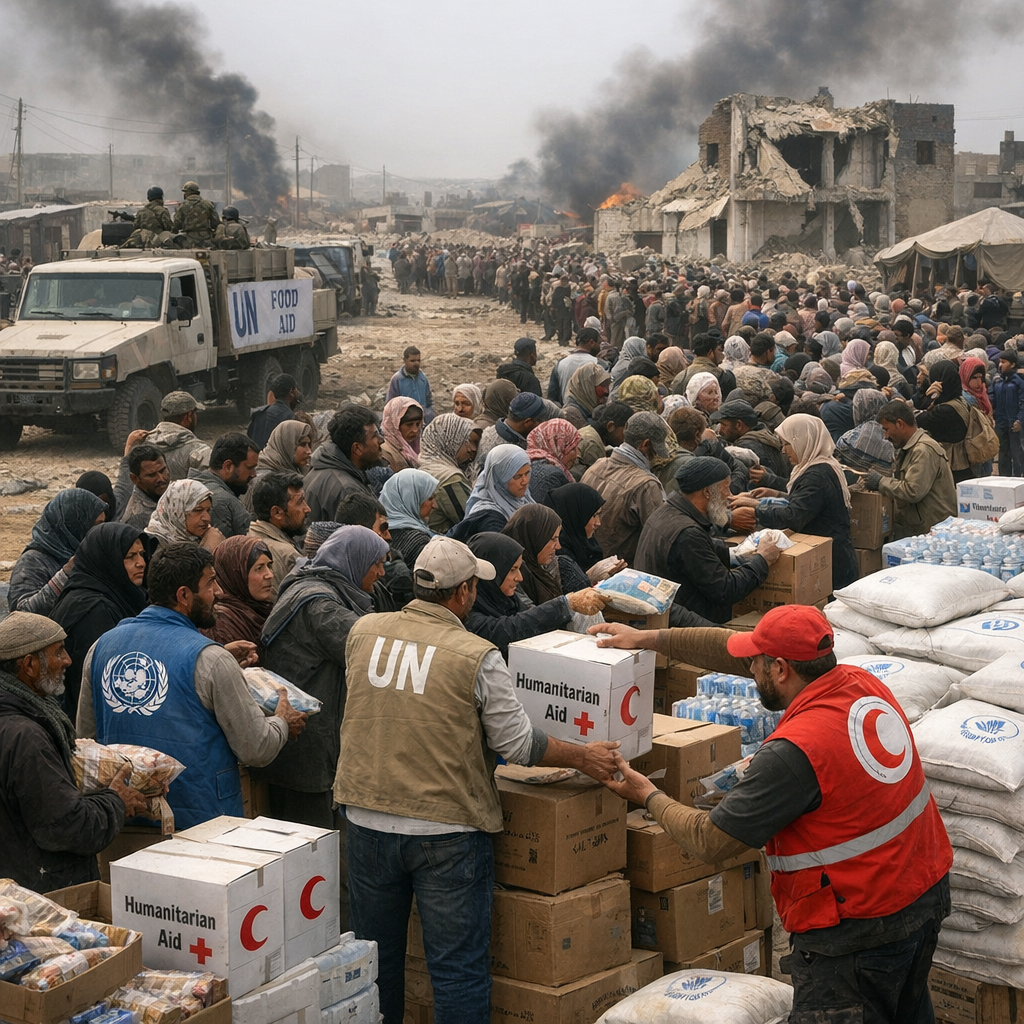
Conflict is a dominant force fueling global food insecurity and displacement. The war in the Middle East and Africa disrupts supply chains and devastates local agriculture. More than 250 million people are now facing acute hunger. In multiple areas, conflict has destroyed farmland, limited access to water, and blocked food deliveries. Even countries far from battle zones are seeing ripple effects—food and fuel costs rise, pushing vulnerable populations into deeper hardship.
Climate Disasters Aren’t Waiting Their Turn
Alongside war and political instability, environmental risks loom large. Heat waves, desertification, floods, droughts—these are no longer isolated events. As climate change accelerates, many fragile states are facing heightened vulnerability from disasters that destroy homes, interrupt food production, and force communities to relocate. When these disasters hit regions already strained by conflict, the results can be devastating.
Global Cooperation Under Pressure
Efforts to address these crises collectively are fraying. International institutions face political polarization, constrained budgets, and diverging priorities. Cooperation on tackling climate change, managing migration, and even preventing pandemics is more difficult in a world marked by distrust and rising nationalism. Despite urgent calls to act, funding and political will have lagged in many of the places where needs are greatest.
Why It Matters for Eagle, Colorado—and All of Us
Events happening halfway around the globe affect our lives here. Food prices, energy costs, climate stability—they’re all connected. Migration and refugee flows test international responses, and often local ones too, as communities receive displaced people. Moreover, the shifting global order may influence trade, geopolitical stability, and ultimately national security policies that reach our doorstep.
Paths Forward: Collaboration, Resilience, and Solidarity
What seems clear is that no single country can solve these crises alone. Effective progress depends on investing in resilient infrastructure, supporting humanitarian aid before emergencies spiral, and strengthening institutions that can weather multiple stresses. Policies that promote peace, equitable economic development, and environmental protection—while not easy—must be pursued together.
As global citizens, staying informed, supporting credible humanitarian work, and advocating for cooperation help build a world where shared challenges become shared action.